Pacific Vision Institute Chosen by Eye Doctors for Their Own LASIK


Pacific Vision Institute is at the forefront of advanced vision correction. Our San Francisco clinic is equipped with the latest generation of state-of-the-art diagnostic and vision correction technology to address a range of vision problems and eye conditions.
Eye Carumba Optometry
San Francisco, CA
HyperOptics Optometry
San Francisco, CA
Valencia Optometry
San Francisco, CA
Bradford Chang OD
San Francisco, CA
Pacific Rims Optometry
San Francisco, CA
Costco Optometry
Novato, CA
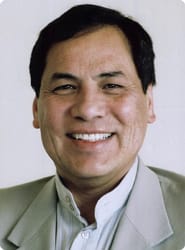
Dr Beltran OD
La Puente, CA
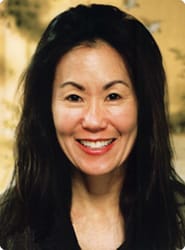
2020 Ophthalmic Consultants
Greenbrae, CA
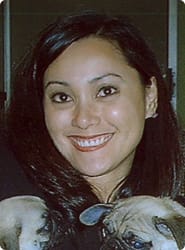
Rockaway Beach Optometry
Pacifica, CA
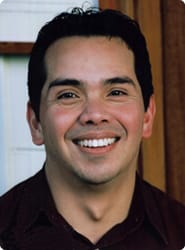
Urban Eyes Optometry
San Francisco, CA
Lee & Woo Optometry
San Francisco, CA

Target Optometry
Santa Rosa, CA
Eyes in Disguise Optometry
San Francisco, CA

Atlantis Eye Care
Newport Beach, CA
Tetsuji C Kita OD
Burlingame And Redwood City, CA
Select Eye Care
Baltimore, MD
Acuity Vision
San Francisco, CA
Pacific Rims Optometry
San Francisco, CA
Eye Carumba Optometry
San Francisco, CA
Hall & Szeto Optometry
San Francisco, CA
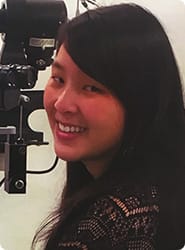
Clear Optometry
San Mateo, CA
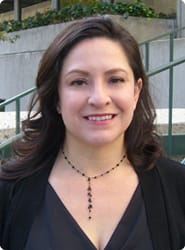
Valdez Optometry
San Francisco, CA
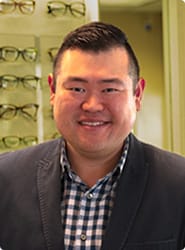
Marin Optometric Group, Inc.
San Rafael, CA
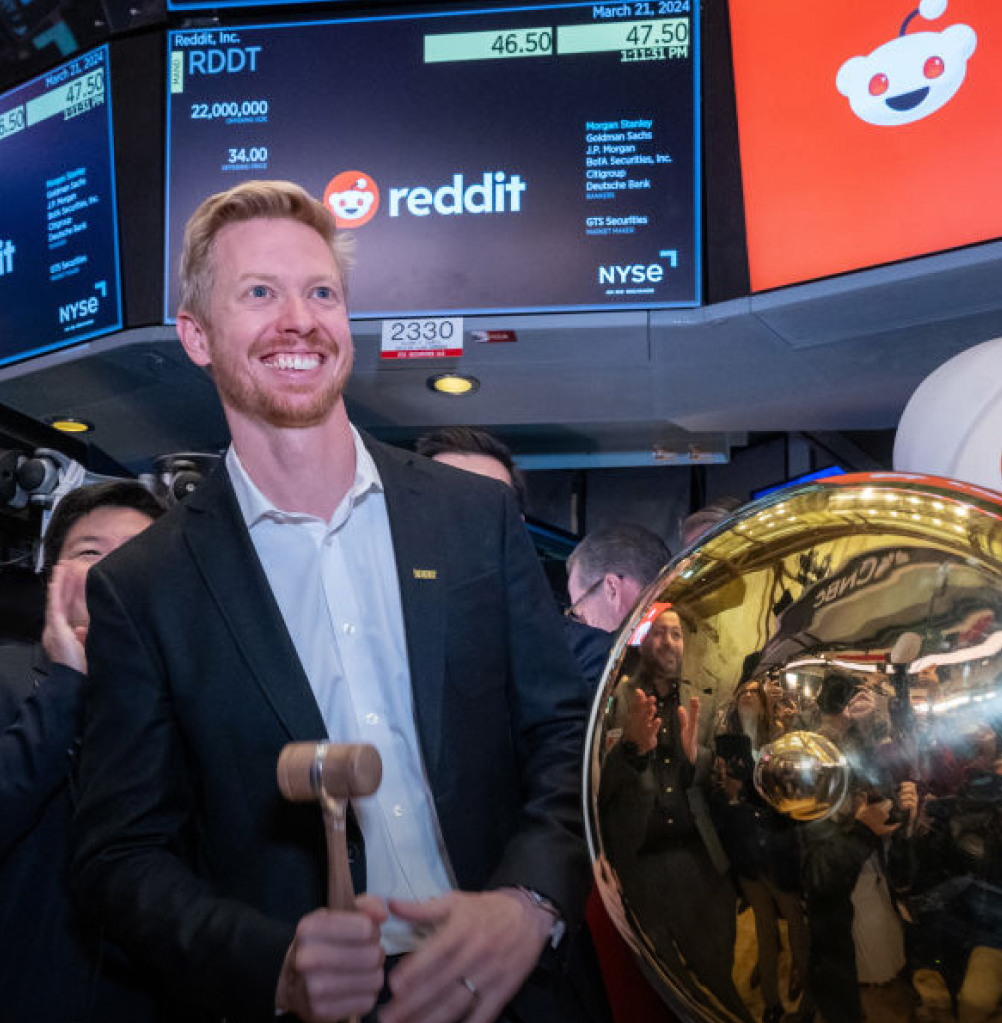
Over the years many prominent industry leaders have chosen Pacific Vision Institute Laser Eye Surgery. What attracts them to us are our results driven by evidence-based algorithms for surgical planning and treatments. Here we have a Spotlight of one of our industry leaders who had PRK at Pacific Vision Institute:
"Steve Huffman, the thirty-three-year-old co-founder and C.E.O. of Reddit, which is valued at six hundred million dollars, was nearsighted until November, 2015, when he arranged to have laser eye surgery. He underwent the procedure not for the sake of convenience or appearance but, rather, for a reason he doesn’t usually talk much about: he hopes that it will improve his odds of surviving a disaster, whether natural or man-made. 'If the world ends—and not even if the world ends, but if we have trouble—getting contacts or glasses is going to be a huge pain in the ass,' he told me recently. 'Without them, I’m...
Read Full Article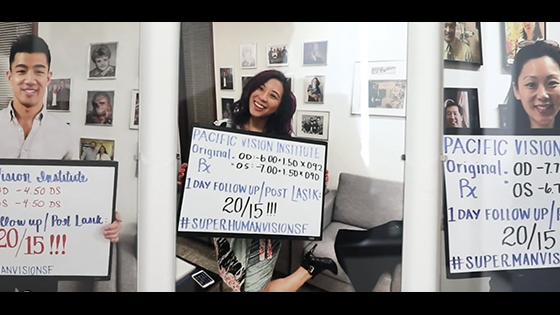


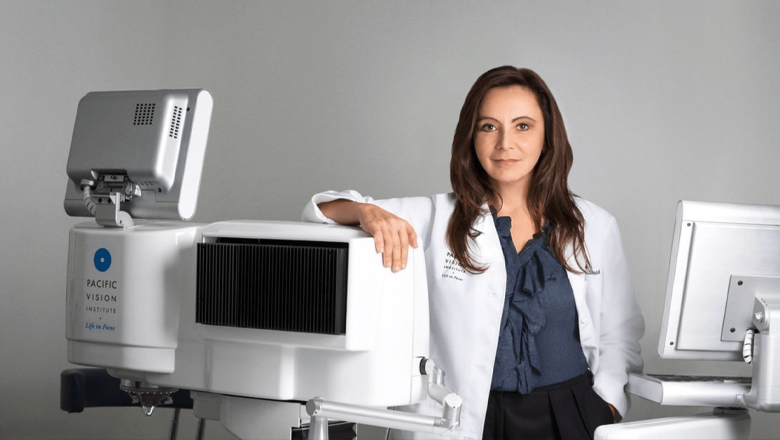

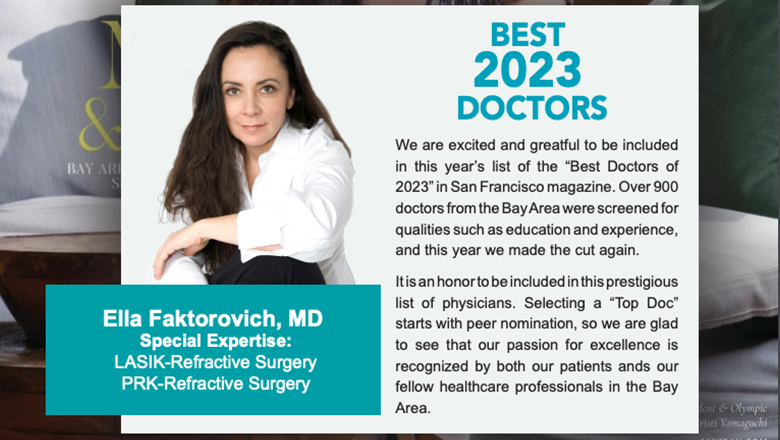
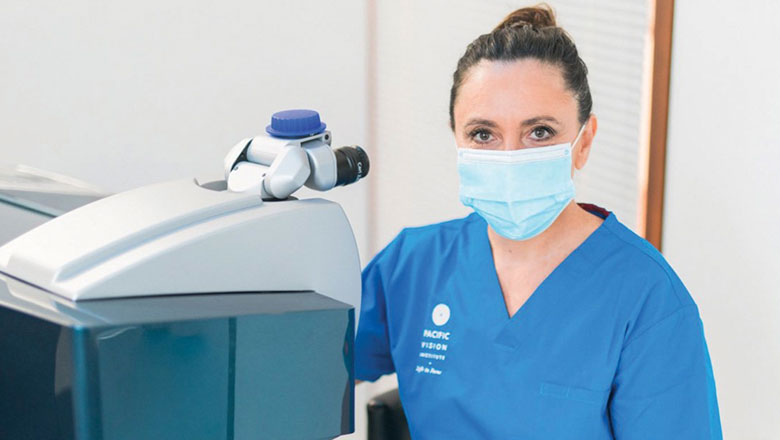
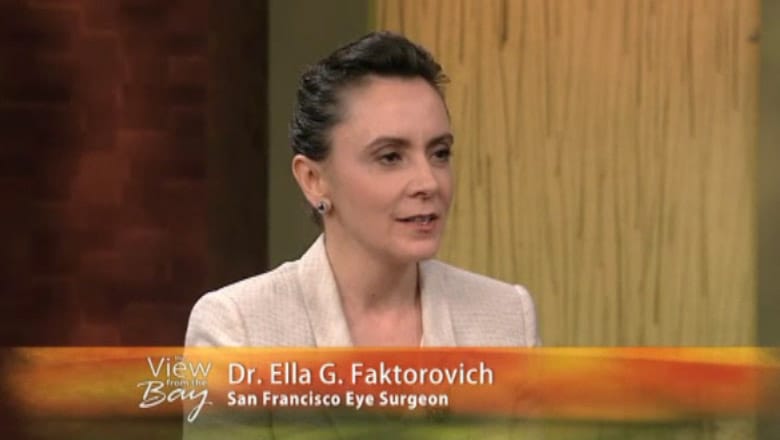
















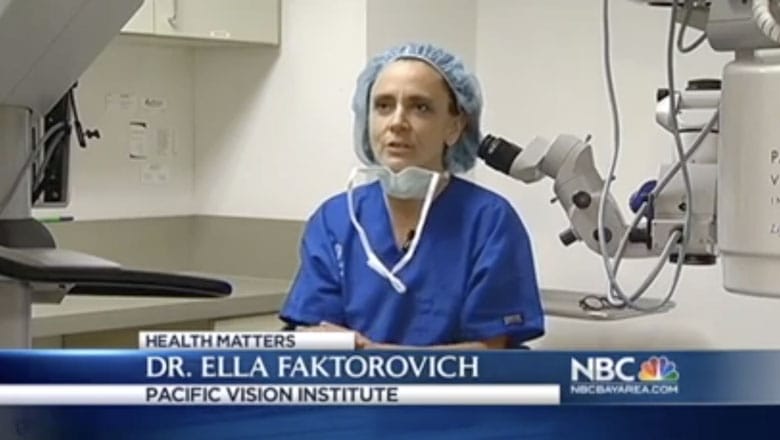
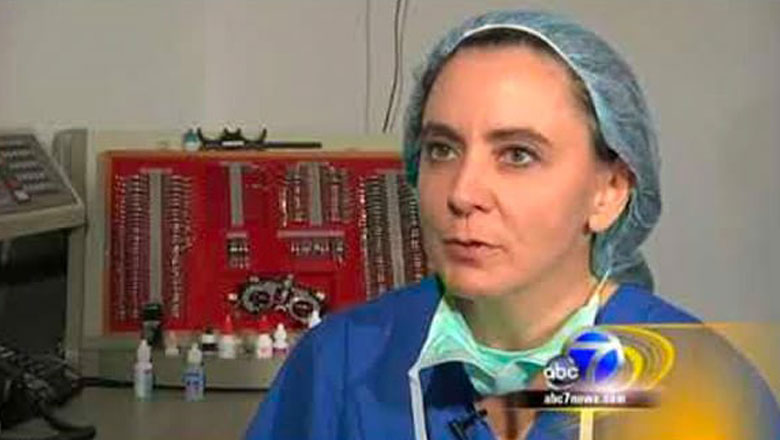
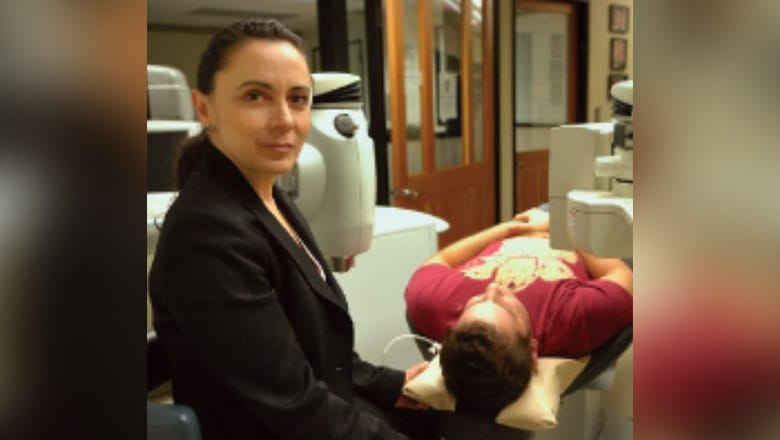
Dr. Ella Faktorovich is among the leading ophthalmologists practicing in California and beyond. As an innovator in the development of advanced vision correction treatments, she has achieved worldwide acclaim for her contributions in the field of refractive surgery.
Dr. Faktorovich is listed in “Best Doctors in America,” and in the “Top 100 Health Professionals in the World.” Her practice, Pacific Vision Institute, established in 1998, has consistently invested in more state-of-the-art technology than any other refractive surgery practice in San Francisco. She committed to providing her patients with the most advanced vision correction treatments available worldwide.
More About Dr. Faktorovich



A pioneer in laser vision correction and lens implant technology, Dr. Faktorovich offers a deeply informative and nuanced look at why our eyesight matters far beyond aesthetics. Her insight is helpful for anyone noticing a dip in energy, mood, or confidence that might be linked to subtle changes in vision.


“
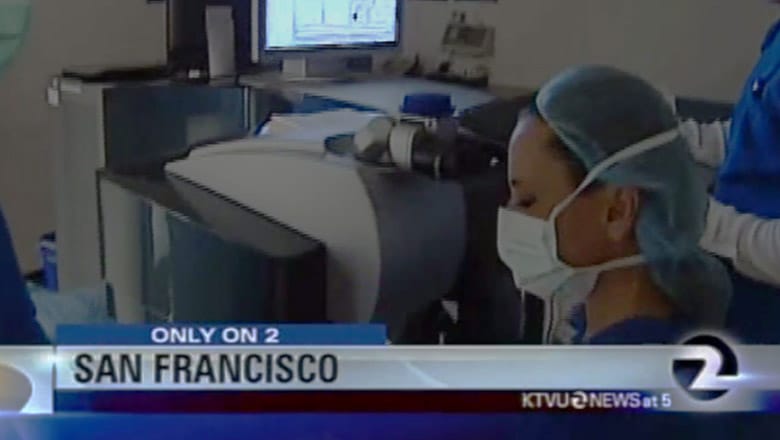
“Spent the day observing surgery at Pacific Vision Institute and was blown away by the accuracy and precision of this team led by Dr Ella Faktorovich, M.D. It was like watching a symphony as Dr. Faktorovich combines surgical skills with art and science throughout the refractive cases today. It is clear why Pacific Vision Institute is a Premium Practice.”
If you are living with vision problems or an eye condition or disease, Pacific Vision Institute offers treatment with the latest advances in technology to resolve even the most complex eye health and vision conditions.
Our state-of-the-art diagnostics and treatments for a wide range of vision problems include custom all-laser LASIK, cataract surgery, PRK/LASIK, EVO ICL (Implantable Collamer Lens), refractive lens exchange, Intacs for corneal reshaping, PTK, and advanced corneal transplant surgeries. Your eyes will be under the care of a team of acclaimed eye surgeons who have contributed to the development of innovations in eye surgery now employed in modern vision correction clinics across the globe.
Learn MoreDr. Faktorovich is a recognized leader in her field and is the author of the first textbook on all-laser LASIK as well as the Founder and Chair of the San Francisco Cornea, Cataract, and Refractive Surgery Symposium.
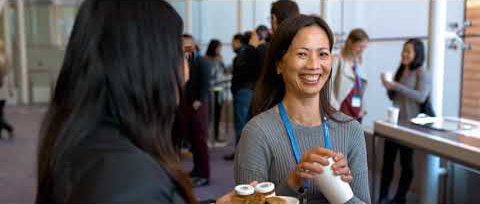
Dr. Faktorovich has made several significant contributions to the field of refractive surgery, including award-winning research on corneal healing following laser vision correction. She has authored numerous published articles, abstracts and book chapters on advanced corneal transplant techniques and laser and refractive surgery, and frequently lectures to other professionals in her field on her groundbreaking techniques, both in the United States and abroad.
Learn MoreAt Pacific Vision Institute, we offer our patients state-of-the-art, wavefront-guided, custom LASIK surgery. With digital optic mapping for a custom evaluation of your unique eye structure, the laser treatment profile is guided by digital mapping to achieve an unprecedented level of precision. Our advanced screening technology along with the latest generation all-laser LASIK systems elevates the accuracy of treatment, with faster healing and superior results. As a leader in vision correction, Pacific Vision Institute laser eye surgery combines innovation, safety, and outcomes trusted by patients and doctors alike.
Learn More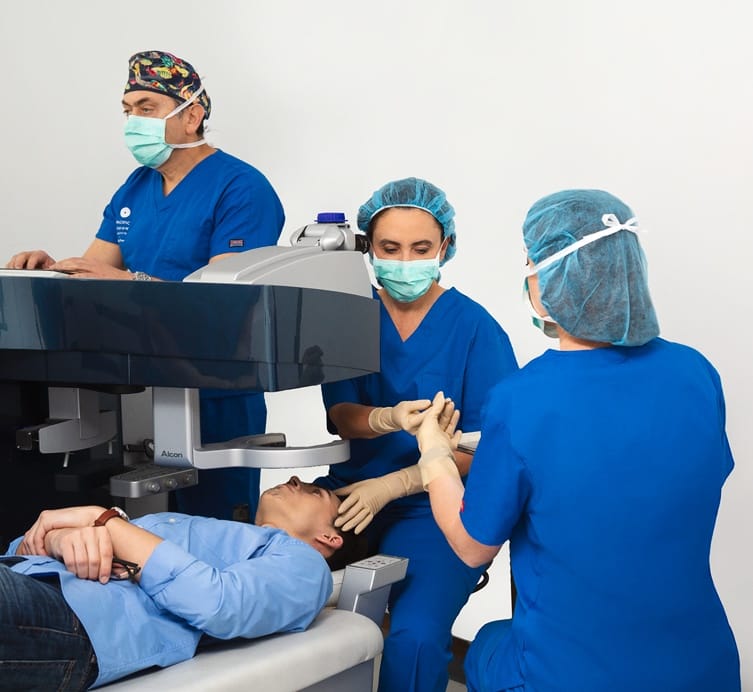
At San Francisco Pacific Vision Institute, we offer our patients the latest advances in technology, and a commitment to achieving superior outcomes. Our investment in state-of-the-art technology makes it possible for us to consistently achieve an unprecedented level of accuracy in treating a range of vision problems and eye conditions.
While not all patients are candidates for LASIK, we offer alternatives including PRK, Epi-LASIK, Wavefront-guided LASIK, Contoura Vision Topography-Guided Laser vision correction, IOLs for reading vision correction, IntraLASIK, Implantable Collamer Lenses, Widefield OCT Diagnostics, a full array of the latest developments in vision correction technology.
Learn More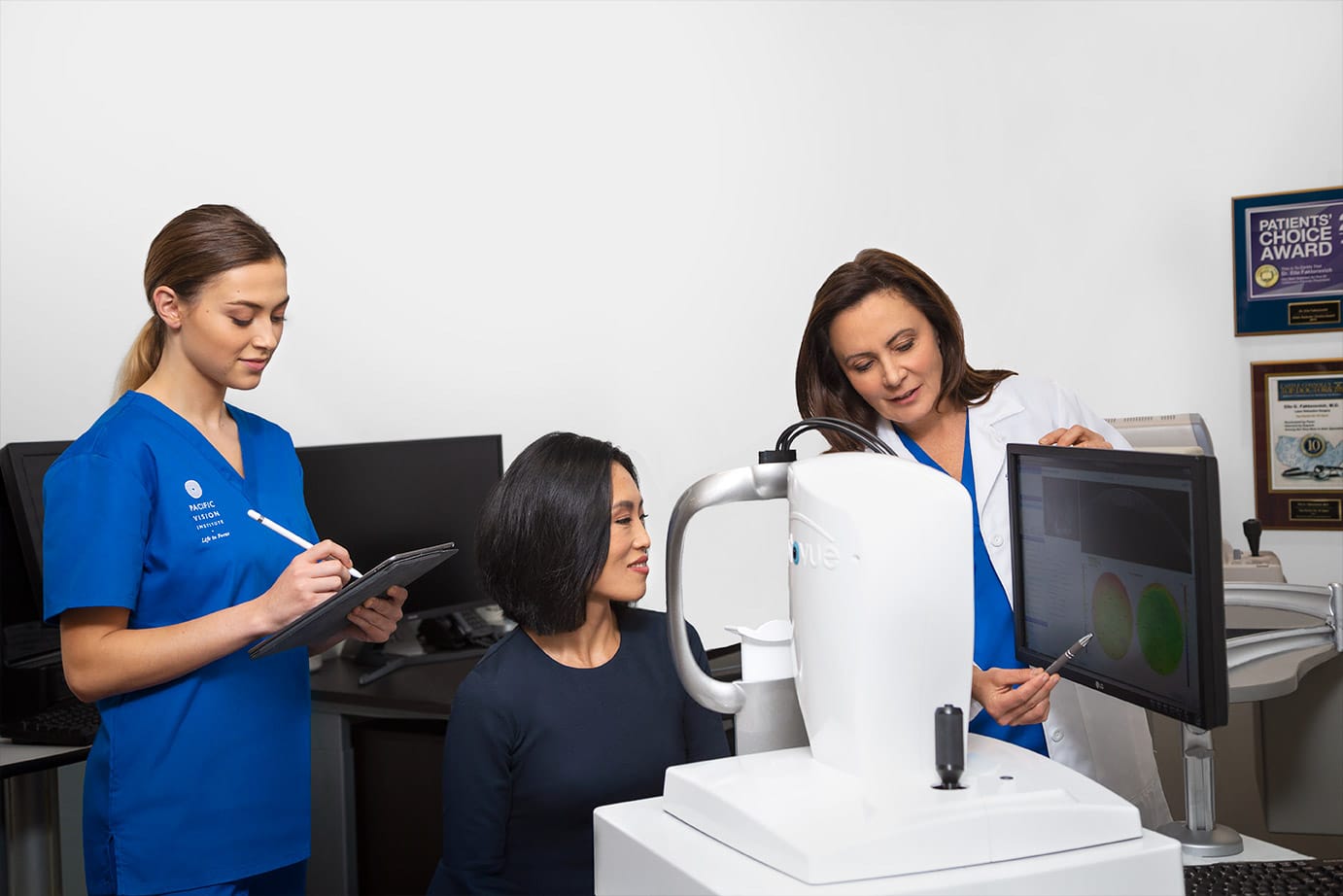
Send us a message to schedule an in person consultation at our office in San Francisco.
ScheduleGet Started Send Us A Message